Recovery tools like infrared sauna, ice baths and red light therapy are more accessible than ever, and that is genuinely worth celebrating. But there is a quiet difference between simply having access to these tools and using them well. The tools themselves are only ever half the story; the other half is knowing how to use them in a way that suits your body, your goals and whatever else is going on in your life. That is where having a physiotherapist involved changes things. At PhysMed in Unley, recovery is physio-led by design, and here is why we think that matters.
Recovery is personal, not one-size-fits-all
It is tempting to think of recovery as a fixed menu: do the cold, do the heat, sit under the light, feel better. In reality, the right approach depends a great deal on the individual. Someone rebuilding after surgery, a runner deep in marathon training, and a busy parent who simply wants to feel less wrung-out all benefit from different things - and sometimes from the same tools used in different ways.
A physiotherapist is trained to understand the body, how it responds to stress and load, and how it recovers. That means they can help tailor recovery to you rather than handing you a generic routine. The result is recovery that fits your situation instead of a guess that may or may not suit you.
Some tools are not right for everyone
Cold and heat are powerful precisely because they ask something of your body. For most people, used sensibly, that is exactly the point. But for some - those who are pregnant, managing heart or blood-pressure conditions, taking certain medications, or recovering from a recent operation - the picture is more nuanced, and the standard approach may need adjusting or may not be appropriate at all.
When recovery is overseen by a qualified clinician, these considerations can be raised and sensibly accounted for. You can ask the awkward question, get a straight answer, and be guided toward what is appropriate for you - or toward a gentler alternative. In an unsupervised setting, those questions often go unasked, and people are left to work it out alone. Having someone to ask is not a small thing.
Recovery and rehabilitation should pull in the same direction
If you are working through an injury or recovering from surgery, your recovery sessions and your rehabilitation are not separate projects - they are two halves of the same goal. Used thoughtfully, recovery tools can support the active work of rehabilitation. Used without coordination, they can occasionally work against it, or simply miss the chance to help.
When the same clinical team can see both sides, the timing and the choice of tools can be coordinated so everything points the same way. Your recovery supports your rehab, your rehab informs your recovery, and nothing is happening in isolation. That joined-up view is hard to achieve when recovery and treatment live in different places, run by different people who never speak.
Guidance keeps the hype in check
The recovery world is full of bold claims and big promises. A grounded clinical perspective is a useful filter. Rather than chasing whatever is trending, a physiotherapist can help you focus on what is genuinely likely to help you, use it consistently, and let go of the noise. That tends to mean a simpler, more sustainable routine - and simple, sustainable routines are the ones that actually deliver over time.
It also keeps expectations honest. Recovery tools can be a valuable support, but they are not magic, and anyone promising dramatic, guaranteed results is overselling. Measured guidance helps you get the real benefit without the disappointment of chasing something that was never on offer.
Building a routine you'll actually keep
One of the most useful things a physiotherapist can help with is not any single session but the shape of your week. It is easy to start enthusiastically, do everything at once, and then quietly drift away when life gets busy. A clinician can help you design a recovery routine that is realistic - a sensible number of sessions, anchored to days and times that already work for you, with the bar for showing up kept low.
That kind of planning is unglamorous, but it is exactly what turns recovery from an occasional treat into a genuine part of how you look after yourself. The benefit of these tools compounds over months, and compounding only happens when you keep turning up. Having someone help you set a routine you can actually sustain is one of the quieter advantages of a guided setting.
You still get to relax
It is worth saying clearly: physio-led recovery is not clinical, cold or joyless. A sauna still feels wonderful, a cold plunge is still invigorating, and time under red light is still calming downtime. The guidance happens around the experience, not instead of it. You simply get the same relaxing recovery with the added confidence that what you are doing genuinely suits you.
How PhysMed does it
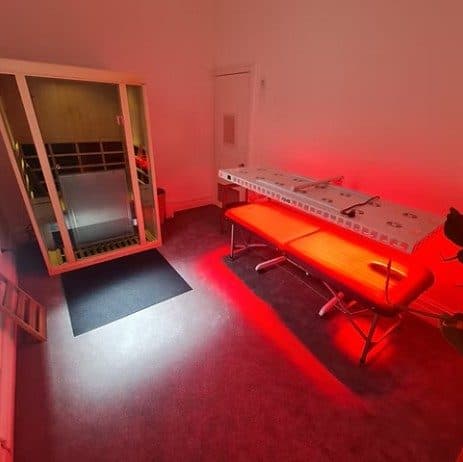
At Club PhysMed in Unley, recovery is built around physiotherapist oversight from the start. Our signature Rejuvenation Room brings together red and near-infrared light, far infrared sauna, tendon loading, breathwork and optional cold immersion as one guided experience, sequenced so the elements support each other rather than competing.
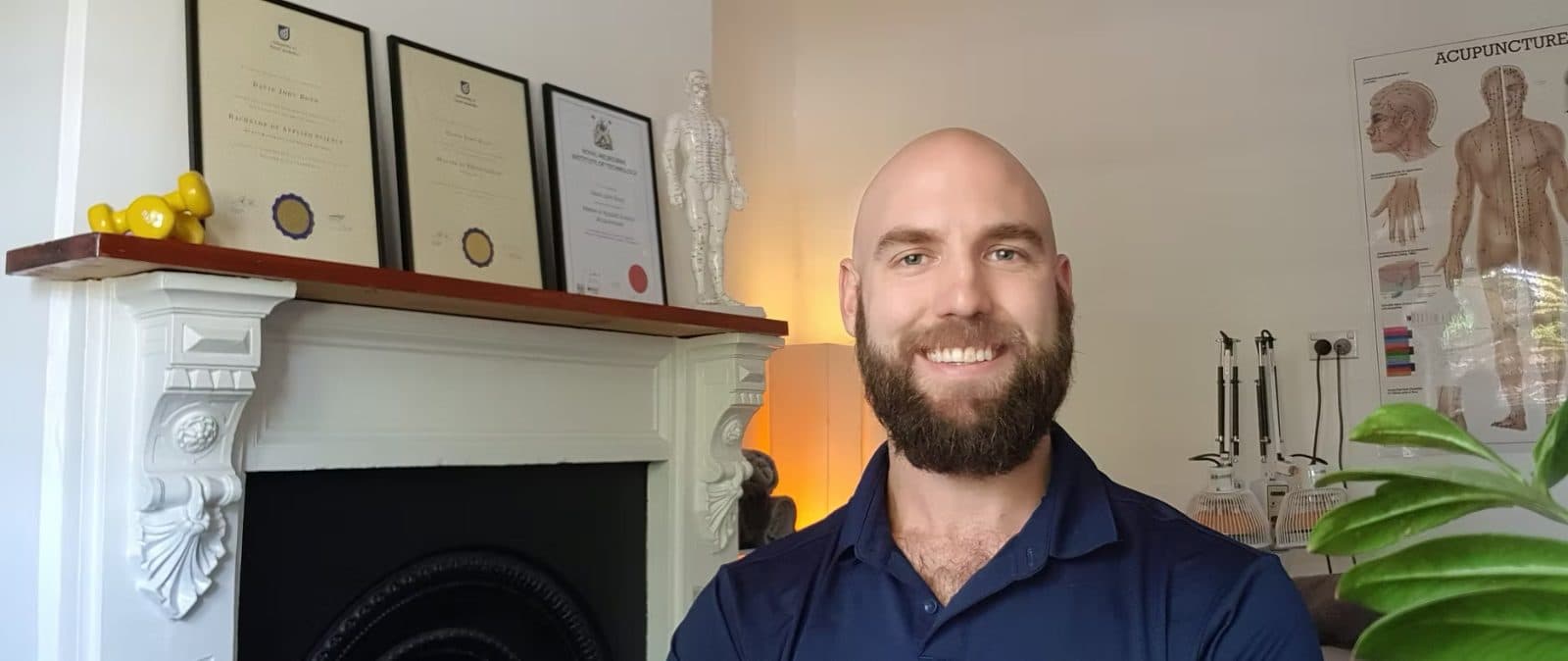
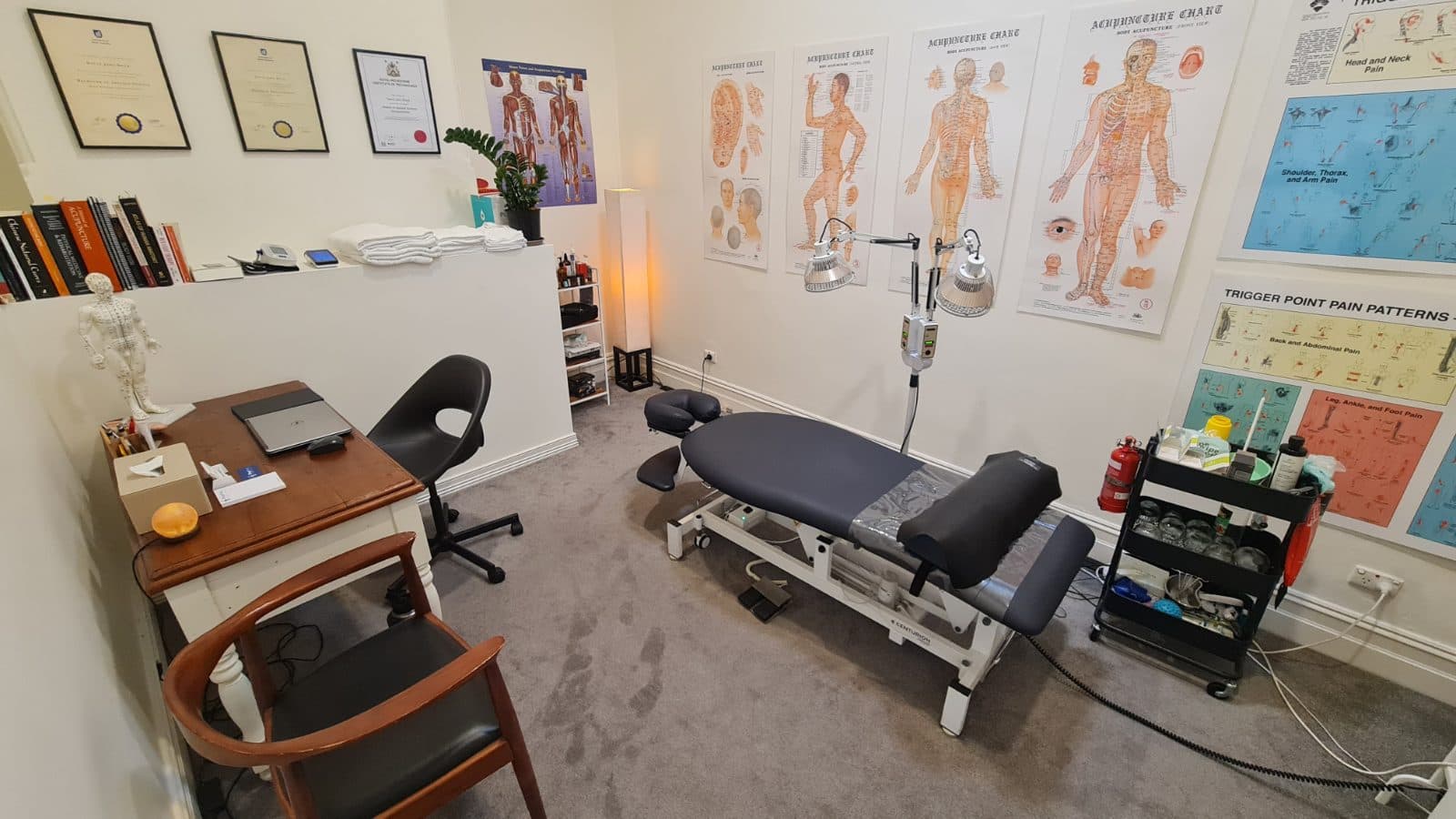
Because PhysMed is a clinic - offering physiotherapy and acupuncture alongside recovery - your sessions can be shaped around your goals and any rehabilitation you are doing, and there is always someone qualified to ask. It is the same set of recovery tools you will find elsewhere; the difference is the clinical judgement that goes with them.
This reflects the heart of how we work: bringing ancient knowledge together with modern science, and helping you take your health into your own hands, rely less on medication where appropriate, and genuinely thrive. Recovery is at its best when someone qualified helps you make the most of it.
If you would like recovery that is guided rather than guesswork, explore our recovery centre, book an appointment or call us on 0466 337 497, and we will help you build a routine that genuinely suits you.