Acupuncture and traditional Chinese medicine (TCM) have been practised for thousands of years, refined across countless generations. For many people coming from a Western medical background, that long history is intriguing but also a little mysterious. What actually happens in a session? Is it based on anything real? And how could it possibly sit alongside modern physiotherapy? This is a clear, grounded introduction, written for the curious but sceptical, and it reflects how we think about TCM at PhysMed in Unley.
What is traditional Chinese medicine?
TCM is not a single technique but a complete system of medicine with its own framework, history and language. Its defining feature is that it views the body as an interconnected whole rather than a collection of separate parts. Where Western medicine often excels at zooming in on a specific structure or system, TCM tends to zoom out, considering how sleep, digestion, stress, season and lifestyle interact with whatever symptom brought you in.
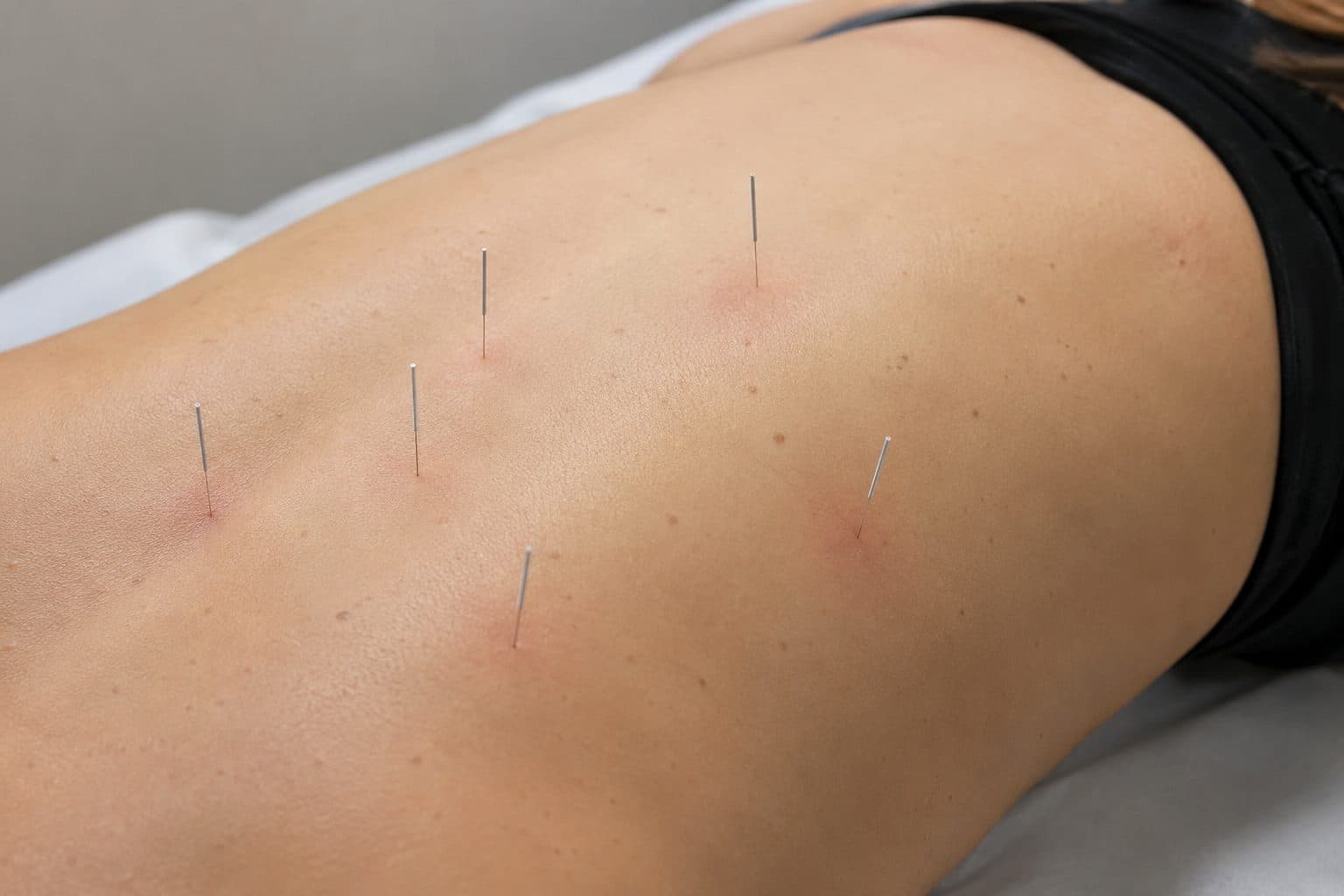
Acupuncture — the insertion of very fine needles at specific points on the body — is its best-known therapy, but it is one of several. Others include cupping, in which gentle suction is applied to the skin, and Gua Sha, a technique using smooth-edged tools to work over the tissue. Practitioners may also draw on herbal traditions, dietary guidance and movement practices, all within the same overarching philosophy of balance and flow.
Two languages, one body
One of the most useful things to understand as a Western patient is that TCM and modern medicine often describe the same body in different languages. Traditional concepts such as the flow of energy along meridians are the historical language of the system. Modern science, meanwhile, explores acupuncture through ideas like effects on the nervous system, local circulation and the body's natural pain-modulating processes.
You do not have to choose one explanation over the other to benefit. Plenty of people find it helpful to hold both lightly: respecting a tradition that has accumulated enormous practical experience, while welcoming the modern research that continues to investigate how and why it may work. That balance — ancient knowledge backed by modern science — is exactly the lens we apply at PhysMed.
What does acupuncture help with?
People commonly seek acupuncture and broader TCM care for:
- Musculoskeletal pain and tension
- Stress, tension and sleep difficulties
- Recovery and inflammation related to training or daily load
- General wellbeing and a sense of balance
It is important to be measured here. Acupuncture is often used to support these areas and many people find it helpful, but responses vary and it is not a cure-all. The honest, professional position is that it is one tool among several, best chosen for the right person and the right situation rather than offered as a fix for everything.
What to expect at your first session
If you have never had acupuncture, a little reassurance goes a long way. A first appointment begins with a thorough conversation about your health, history, lifestyle and goals. This is not a formality — in TCM, that wider picture genuinely informs the approach, so expect questions that range beyond the immediate symptom.
The needles themselves are a common worry, and an understandable one. In reality they are far finer than the needles used for injections or blood tests, and many people are surprised by how little they feel. Once the needles are in place, most people simply rest, and a large number find the experience deeply relaxing — it is not unusual to drift toward sleep. Your practitioner will check in with you throughout, and your comfort guides the session.
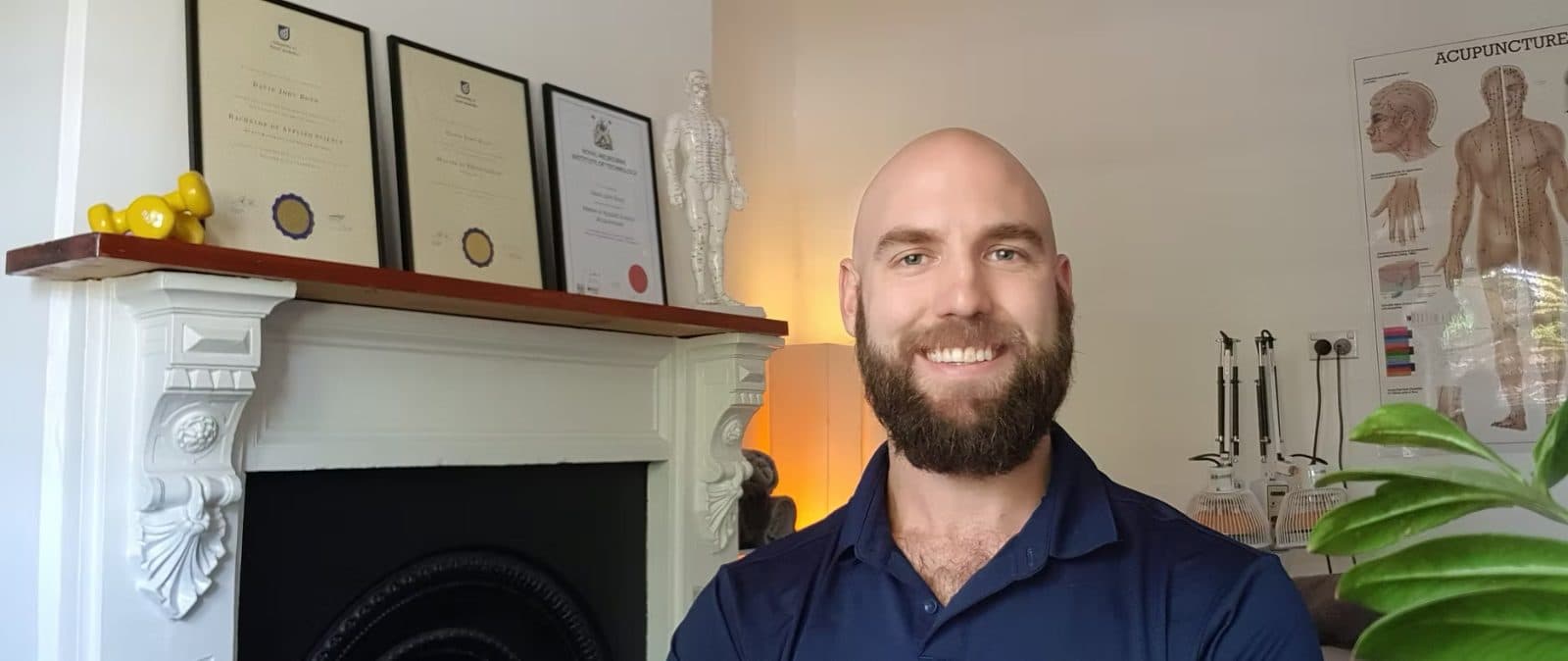
You are in safe, qualified hands. PhysMed founder David Boyd is a registered physiotherapist, a registered Chinese medicine practitioner and a registered acupuncturist, an APA member who has been mentored by Dr Marc Cohen. That combination means your acupuncture care is delivered with both traditional training and a modern clinical perspective.
Beyond needles: the wider toolkit
While acupuncture is the headline, traditional Chinese medicine carries a broader toolkit, and it can be reassuring to know what else may come up. Cupping uses gentle suction to draw at the skin and underlying tissue, and is often used to address areas of tension; the temporary circular marks it can leave are harmless and fade over days. Gua Sha involves working a smooth-edged tool across the tissue and is similarly used for tension and circulation. Many practitioners also offer guidance on diet, daily rhythm and movement, reflecting the system's view that wellbeing is shaped by everyday habits as much as by any single treatment.
You will never be pushed toward more than you are comfortable with. A good session is a collaboration: your practitioner explains what is proposed and why, and you decide together what fits. For first-timers in particular, that transparency tends to dissolve a lot of the apprehension that surrounds something new and unfamiliar.
Common questions from Western patients
A few questions come up again and again. Does it hurt? Most people feel very little, sometimes a brief, dull sensation as a needle is placed, and then nothing. Is it safe? In the hands of a registered, qualified practitioner using single-use sterile needles, acupuncture has a strong safety profile. How many sessions will I need? That depends entirely on you and your goals, and it is something best discussed honestly at your first visit rather than promised in advance. Do I have to believe in it for it to work? Not at all — you are welcome to arrive curious, skeptical or somewhere in between.
Better together: TCM alongside physiotherapy
At PhysMed, acupuncture and Chinese medicine sit alongside physiotherapy and recovery, not in competition with them. This is genuinely unusual and, we think, genuinely valuable. Rather than asking you to pick a camp, we can combine approaches in a way that serves your goals.
For many clients, that looks like using drug-free pain relief and relaxation to make space for the active work that drives lasting change. Acupuncture might help ease symptoms and calm the nervous system, while a structured rehabilitation plan rebuilds capacity, and the recovery centre supports the body between sessions. Each element complements the others.
This integrated approach reflects the heart of what we do: helping you reduce your reliance on medication where appropriate, take your health into your own hands, and thrive. If you are curious about whether acupuncture or TCM could suit you, the easiest first step is a conversation. Book an appointment or call us on 0466 337 497, and we will talk through your goals and how this ancient system, backed by modern science, might fit your life.