Infrared saunas have become one of the most popular recovery tools in Adelaide, and for good reason - they are comfortable, relaxing and easy to fit into a routine. But if you have never used one, it is natural to have questions. How is it different from a traditional sauna? What do people actually use it for? And how do you get the most from a session without overdoing it? This is a clear, no-hype beginner's guide, written the way we explain it to first-timers at Club PhysMed in Unley.
What is an infrared sauna?
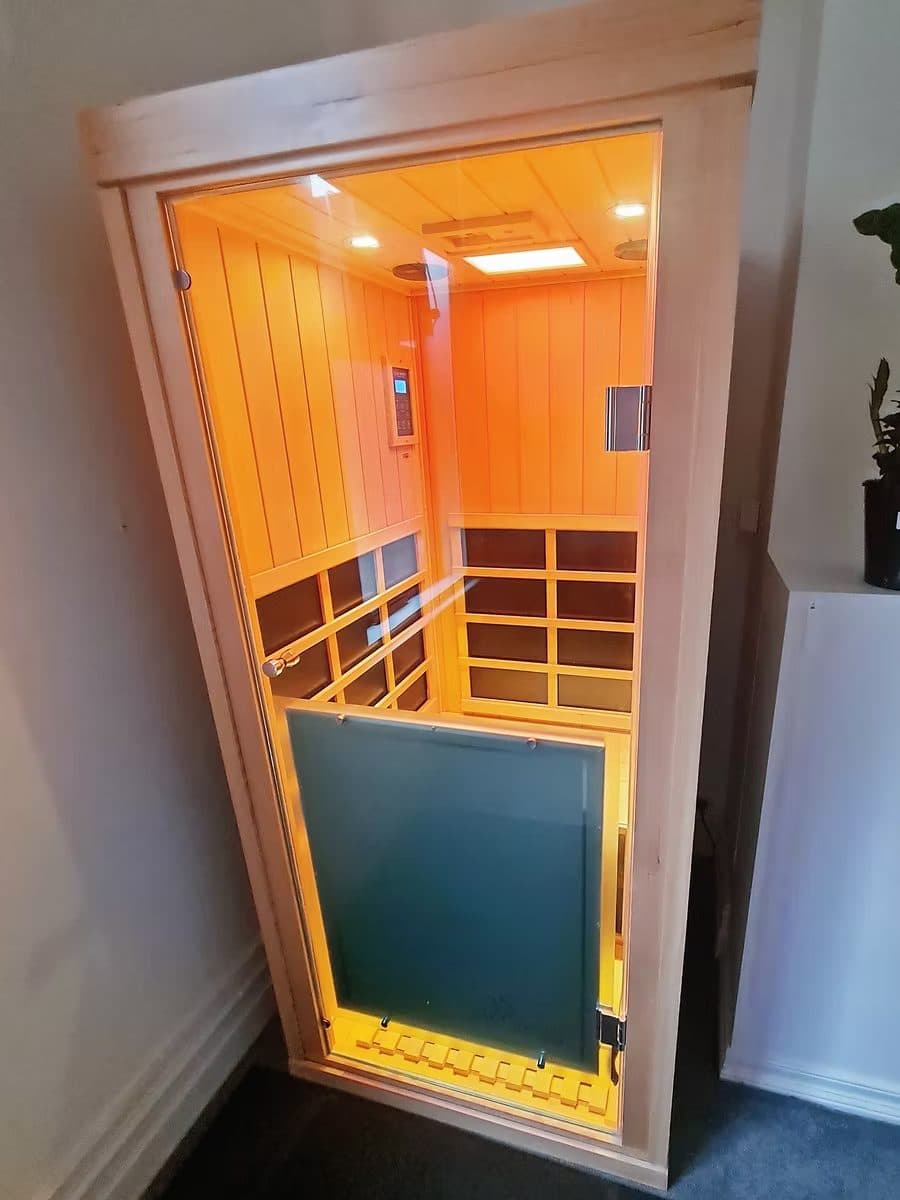
A traditional sauna heats the air around you, often to quite high temperatures, and that hot air warms your body. An infrared sauna works differently. It uses infrared light to warm your body more directly, which means the air itself can stay at a gentler, more comfortable temperature while you still feel a deep, penetrating warmth.
For many people, that makes an infrared sauna more pleasant and easier to tolerate than a conventional one - you get the sensation of deep heat without the heavy, breath-catching air of a very hot traditional sauna. Far infrared, the type used in many recovery settings, is associated with this comfortable, deeply warming quality.
What people use it for
People reach for an infrared sauna for a range of reasons, and it helps to be measured about what it does. Common uses include:
Muscle relaxation - the deep warmth helps tight, tired muscles let go after training or a long day.
Winding down - heat is one of the simplest ways to help the nervous system shift toward its rest-and-recover state, which is why a sauna can feel so calming.
Recovery routine - many active people use it as a regular part of how they recover between sessions.
A moment of stillness - the quiet, warm time can be almost meditative, and that mental reset is part of the appeal.
Responses vary from person to person, and a sauna is best thought of as something that supports a good recovery routine rather than a stand-alone fix. It works best alongside the fundamentals - sleep, movement, good food - not instead of them.
How to use an infrared sauna well
Getting the most from a session is mostly about sensible, repeatable habits rather than chasing extremes.
Hydrate before and after. You will warm up and perspire, so drink water around your session.
Start gentle. If you are new to it, begin with a shorter, comfortable session and build up as you get used to the warmth. There is no prize for toughing out a long first session.
Dress lightly and get comfortable. Bring a towel, settle in, and let yourself relax rather than clock-watching.
Breathe. A few minutes of slow, easy breathing deepens the calming effect and turns the heat into genuine downtime.
Listen to your body. Warmth should feel pleasant, not distressing. If you feel light-headed or unwell, end the session and cool down.
Be consistent. As with most recovery tools, a moderate session done regularly does more than an occasional marathon one.
Many people enjoy pairing the sauna with cold - alternating heat and a cold plunge as contrast therapy - which can feel more refreshing than either alone. If that appeals, build up to it gradually.
When to fit it into your week
There is no single right time to use an infrared sauna, and the best slot is usually the one you will actually keep. Some people love it in the evening as a way to wind down and signal to the body that the day is done, which can pair nicely with better sleep. Others prefer it after training, when the warmth helps tired muscles relax. A quiet weekend session can also be a lovely reset after a demanding week.
The practical advice is to attach your sauna time to something already in your routine - after a workout, on the way home, or as part of a regular wind-down - so it becomes a habit rather than another thing to remember. A short session you do consistently will always beat an ambitious plan you abandon after a fortnight.
Who should take care
An infrared sauna is comfortable for most people, but it is not right for everyone, and a few situations call for caution. If you are pregnant, have heart or blood-pressure concerns, take medication that affects how your body handles heat, or have any condition affected by temperature, it is worth getting tailored guidance before you start - or choosing a gentler approach. This is exactly the kind of question that is easy to raise when a sauna sits within a clinic rather than an unsupervised facility.
If you ever feel dizzy, faint or unwell, the simple rule is to stop, step out and cool down. Used sensibly and within your comfort, though, most people find an infrared sauna a relaxing and easy habit to keep.
How we use the infrared sauna at Club PhysMed
At Club PhysMed in Unley, the infrared sauna is one part of a guided recovery experience rather than a stand-alone novelty. Our signature Rejuvenation Room brings together far infrared heat, red and near-infrared light, tendon loading, breathwork and optional cold immersion, sequenced so the elements work together.
Because everything is overseen by physiotherapists, we can help you use the sauna in a way that suits your goals and any rehabilitation you are working through, and flag if a gentler approach makes sense for you. That clinical guidance is the difference between simply having access to a sauna and using one well.
This reflects how we approach recovery across PhysMed: ancient knowledge - including the long human tradition of using heat to recover - brought together with modern science, with the aim of helping you take your health into your own hands and thrive.
If you would like to try the infrared sauna or build it into a regular routine, you are welcome to book an appointment or call us on 0466 337 497, and we will help you get started in a way that suits you.