If your last experience of physio was a quick rub, some ultrasound and a vague suggestion to rest, modern rehabilitation might surprise you. Today, the best available evidence points firmly to movement and strength as the engine of lasting recovery. That is why a contemporary physiotherapy clinic often looks more like a small, well-equipped gym than a quiet treatment room. At PhysMed in Unley, this active, capacity-building approach sits at the heart of how we help people get better and stay better.
Why rest alone falls short
Rest has its place. In the first day or two after an acute injury, calming things down is sensible. But rest as a long-term strategy has a fundamental flaw: it settles symptoms without building capacity. When you stop loading a tissue, it does not simply hold steady — it gradually becomes less able to handle the demands you will eventually put back on it.
So the all-too-common pattern goes like this. Something hurts, you rest, the pain eases, you feel ready, you return to your usual activity, and the same demands meet the same under-prepared tissue. The pain returns, often within days, and the cycle repeats. Many people conclude their body is simply fragile, when in reality the missing ingredient was never rest — it was a structured plan to rebuild capacity.
The principle of progressive loading
The alternative is progressive loading, and the principle is refreshingly simple: gradually and deliberately expose the injured area to load, building its tolerance step by step. Tissues are remarkably adaptable. Given the right dose of load and enough recovery between sessions, they remodel, strengthen and become more resilient. Done well, progressive loading does three things at once. It eases symptoms over time, it restores your confidence to move, and it leaves you more robust than you were before the injury.
The art lies in the dosing. Too little load and nothing changes; too much and you flare things up. A skilled physiotherapist works out where that sweet spot sits for you right now, then adjusts it as you improve. This is why a generic exercise sheet rarely works as well as a plan tailored to your specific situation and reviewed as you progress.
It is the whole movement system, not just the sore spot
Modern rehab also takes a wider view. The place that hurts is not always the place that needs the most work. A grumpy knee might be asking for more from the hip and calf; a sore shoulder might trace back to how the whole shoulder blade and trunk move. By assessing the entire movement system rather than treating an isolated symptom, we can address the actual drivers and reduce the chance of the problem simply returning somewhere nearby.
What this looks like in practice
A typical rehabilitation journey with us includes:
- A thorough assessment of the whole movement system, not just the painful area
- A clear, progressive exercise plan written for you and explained so you understand the why
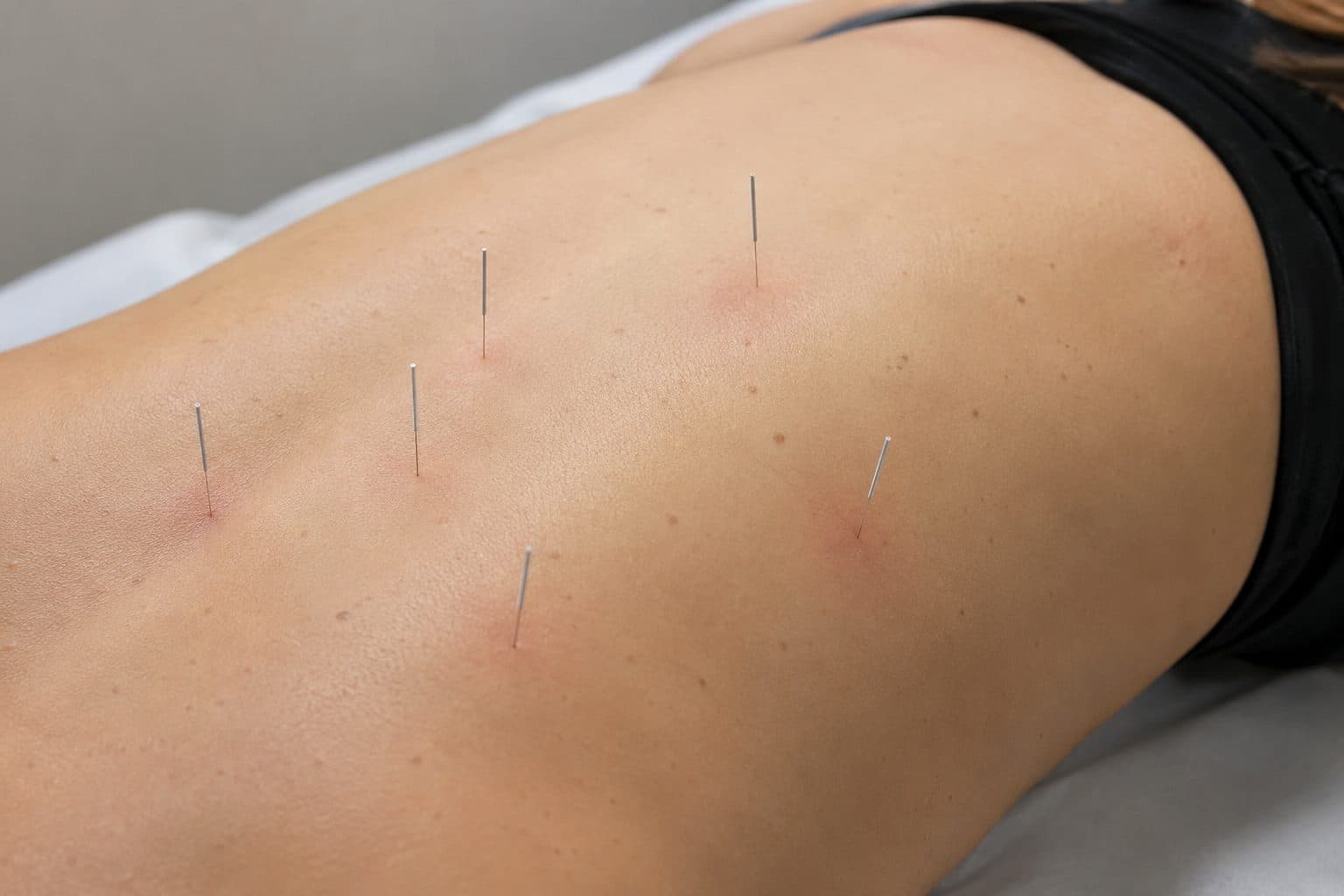
- Hands-on treatment to ease symptoms and help you move more comfortably along the way
- Education so you can interpret your own symptoms and make good decisions between sessions
- Recovery tools to support adaptation between sessions
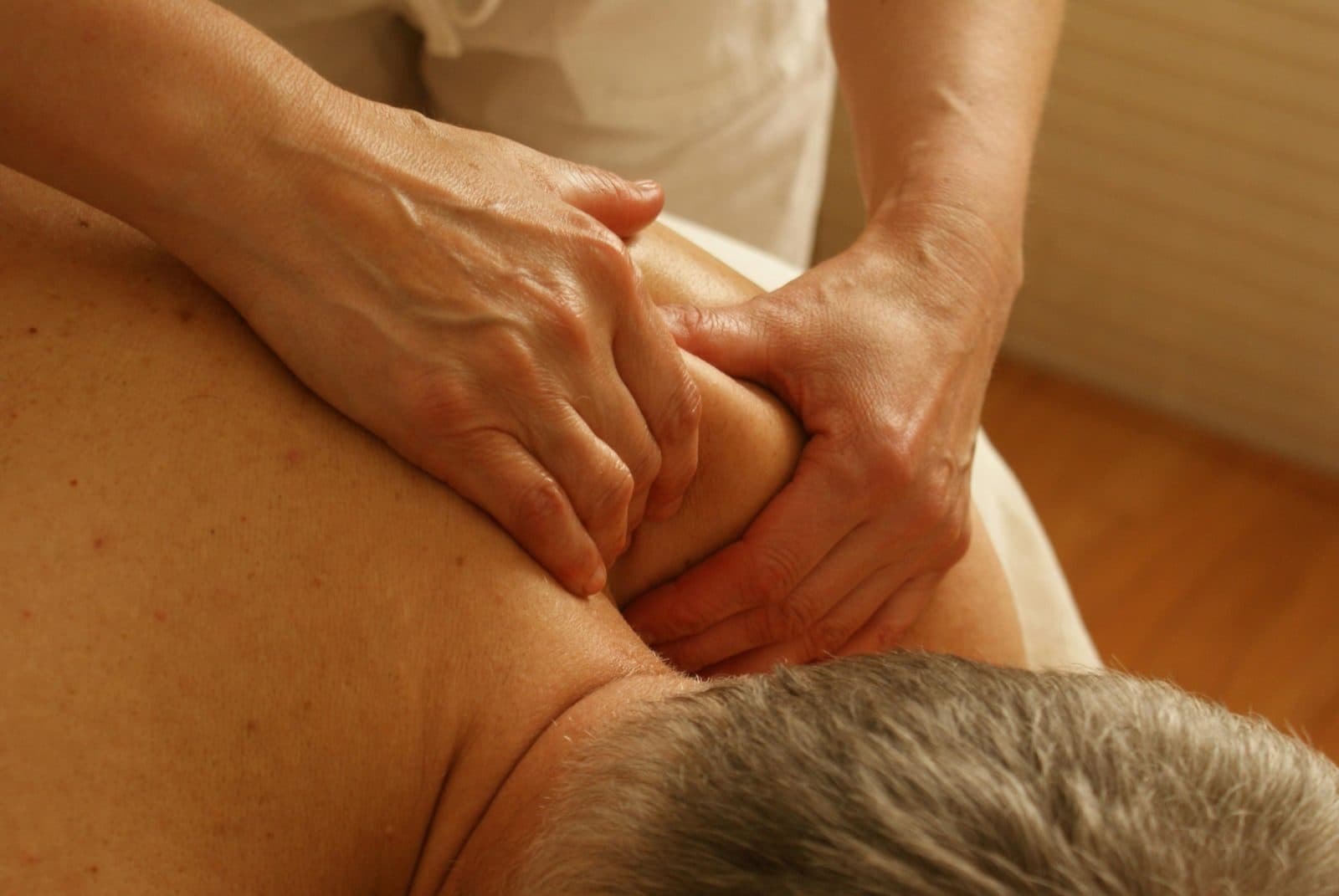
Hands-on treatment still matters, but its role has shifted. Rather than being the whole treatment, techniques like soft-tissue work and joint mobilisation are best used to make movement easier so you can do the active work that actually drives change.
What about pain during exercise?
A common worry is that exercising an injured area must be making things worse. It is one of the most understandable fears in rehabilitation, and it deserves a clear answer. Pain does not always equal harm. In many conditions, a manageable level of discomfort during loading is acceptable, provided it settles appropriately and does not steadily worsen from day to day. Part of good rehab is learning to interpret your own signals — distinguishing the normal sensations of a tissue being asked to work from the warning signs of doing too much, too soon. With a little guidance, most people gain real confidence here, and that confidence is itself part of recovery. Fear and avoidance can keep a problem going long after the original injury has settled, so restoring trust in movement is a genuine clinical goal, not an afterthought.
Rehab is for everyone, not just athletes
It is easy to assume that strength-based rehabilitation is only for sports injuries or younger, fitter people. In truth, the principle of building capacity applies just as much to an office worker with a grumpy back, a new parent with a sore shoulder, or an older adult who wants to keep moving confidently. The exercises and intensities differ enormously from person to person, but the underlying idea is universal: tissues adapt to the demands placed on them, and a well-judged, progressive plan can make almost any body more capable than it is today. The plan should always meet you where you are.
The role of recovery
Adaptation does not happen during the exercise itself — it happens in the recovery that follows. That is why we pay attention to sleep, stress and the spaces between your sessions. For some clients, the tools at our recovery centre, including heat, cold and red light, can complement a loading program by supporting the body's recovery between harder rehab sessions. Used thoughtfully, recovery is not a luxury bolt-on; it is part of the plan.
The real goal: your independence
The best outcome of rehabilitation is not an endless series of appointments. It is handing you the understanding and the tools to manage your own body, so you can move well, train confidently and rely less on passive treatment and on medication. That sense of ownership — taking your health into your own hands — is exactly what we aim for across our physiotherapy services at PhysMed.
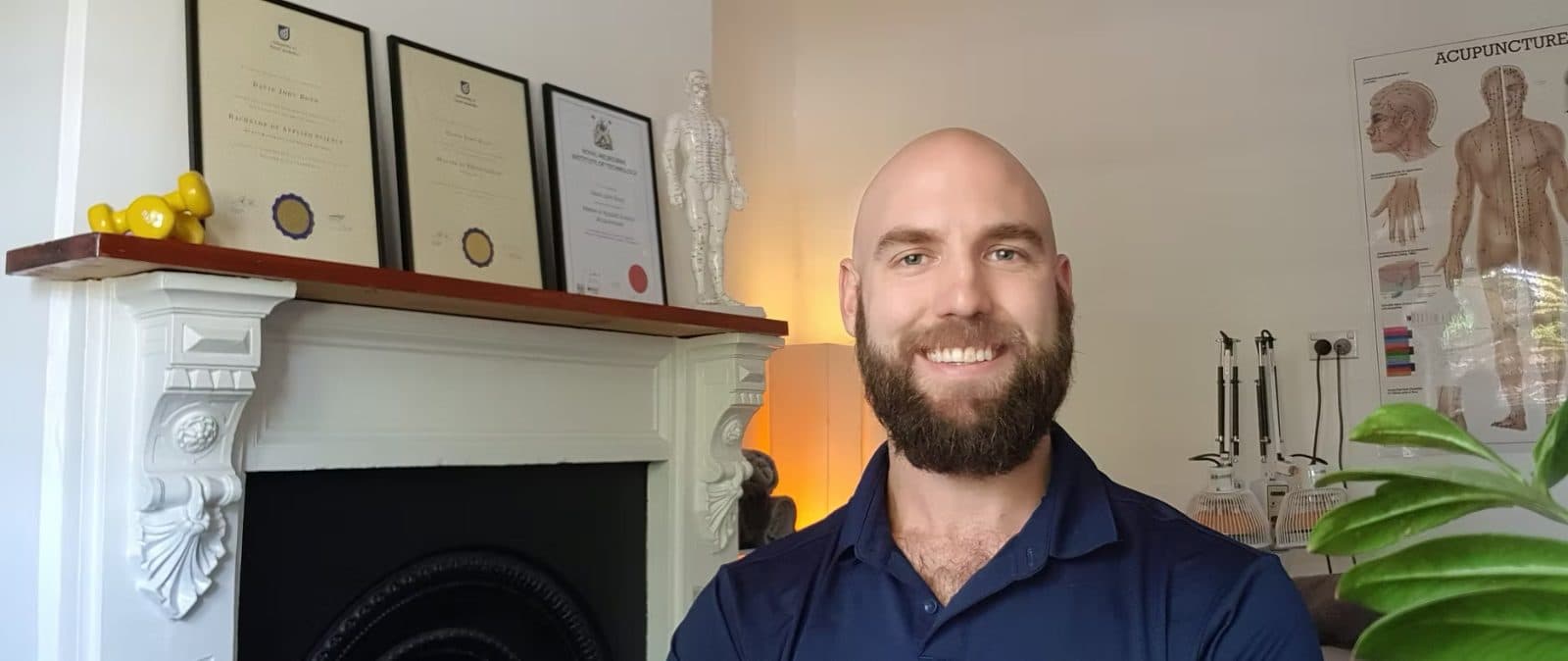
This is also where our point of difference shows up. We bring together ancient knowledge and modern science, drawing on proven rehabilitation principles, founder David Boyd's background spanning physiotherapy, Chinese medicine and acupuncture, and a recovery-focused mindset that treats the whole person rather than a single sore joint. The result is rehabilitation that is active, evidence-informed and built to last.
If you have been stuck in the rest-and-relapse cycle, or you simply want a plan that builds you up rather than holding you back, we would be glad to help. Book an appointment or call us on 0466 337 497, and we will start by understanding your goals and building a plan you can own.