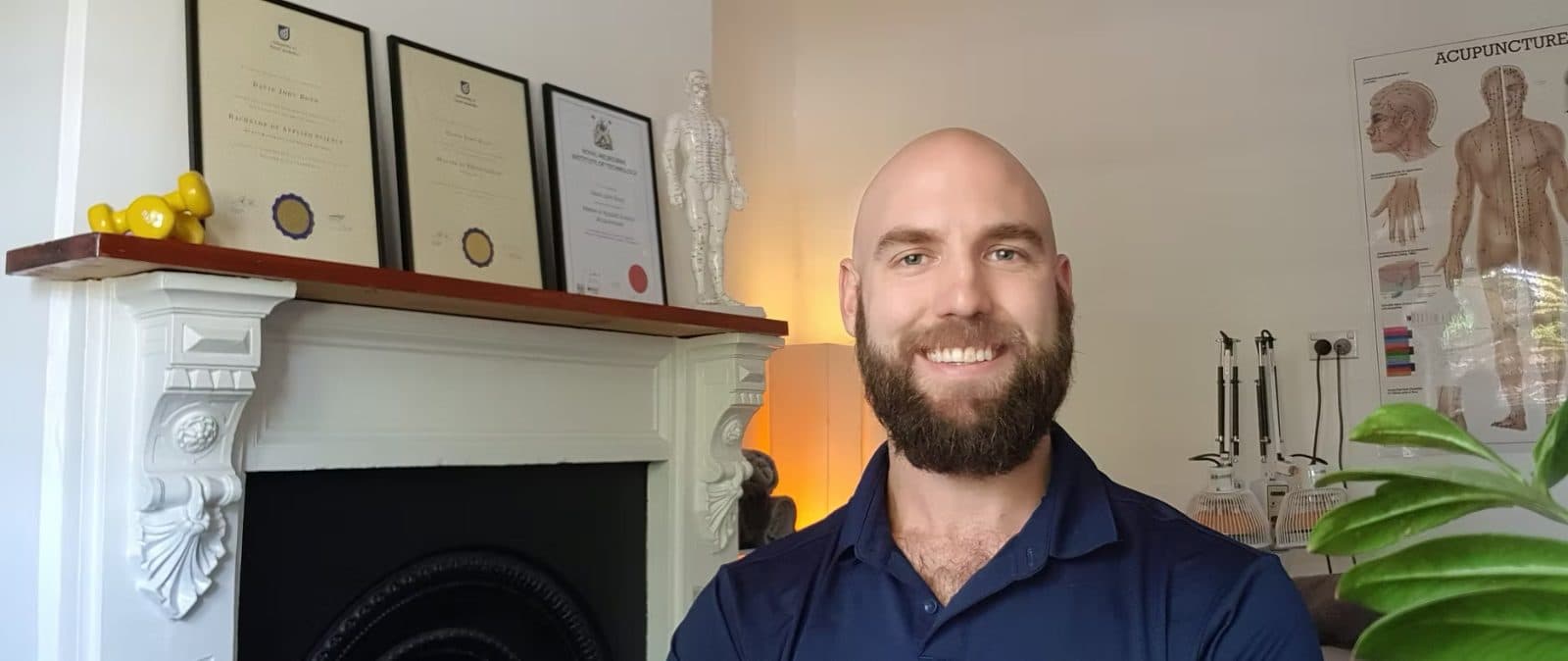
If you have looked into needle-based treatments for pain or muscle tension, you have probably come across two terms that seem almost interchangeable: dry needling and acupuncture. Both involve inserting fine needles into the body, and to an onlooker they can appear very similar. Yet they spring from quite different traditions and ways of thinking. So what actually separates them, and how do you know which might suit you? At PhysMed in Unley — where founder David Boyd is trained in both physiotherapy and Chinese medicine — we are unusually well placed to explain the difference honestly.
The thing they have in common
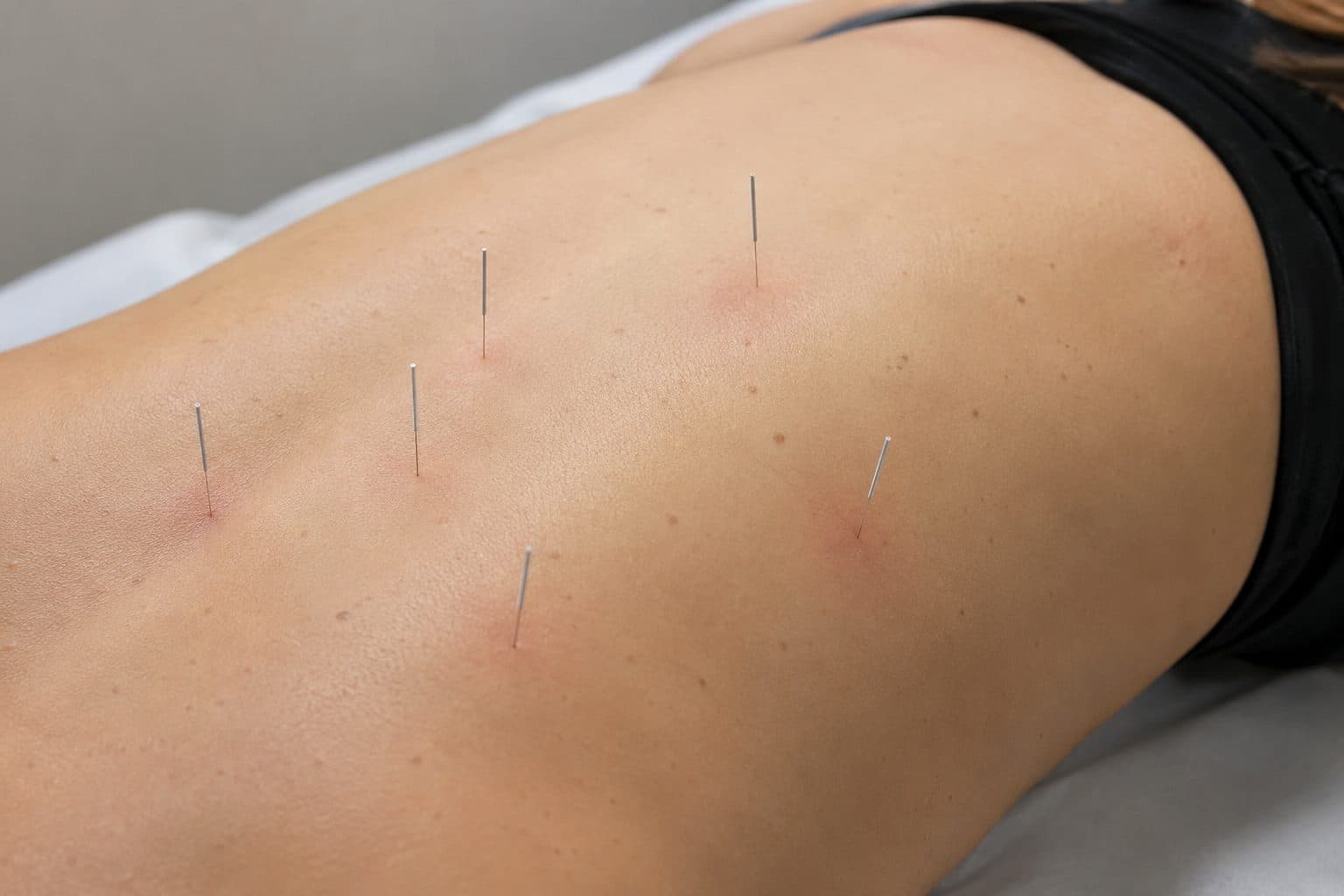
Let's start with the obvious. Both dry needling and acupuncture use thin, solid, single-use sterile needles, quite unlike the hollow needles used for injections or blood tests. In both cases the needles are far finer than people expect, and many people are surprised by how little they feel as they are placed. Both are drug-free approaches often used to address pain, muscle tension and tightness.
Because of these surface similarities, the two are frequently confused, and you will sometimes hear them spoken about as if they were the same thing. They are not. The key differences lie in their origins, their reasoning and how a practitioner decides where to put the needles.
Dry needling: a modern, muscle-focused approach
Dry needling is the more recent of the two, with roots in Western medicine and a focus on the muscles. The "dry" in the name simply means no substance is injected — it is the needle alone doing the work, as opposed to a "wet" injection.
The central idea in dry needling is the trigger point: a tight, sensitive knot within a muscle that can be tender locally and sometimes refer discomfort elsewhere. A practitioner identifies these trigger points and inserts a needle directly into them, aiming to help the muscle release and ease the associated tension and pain. Sometimes you may feel a brief twitch in the muscle as this happens, which is a normal part of the process.
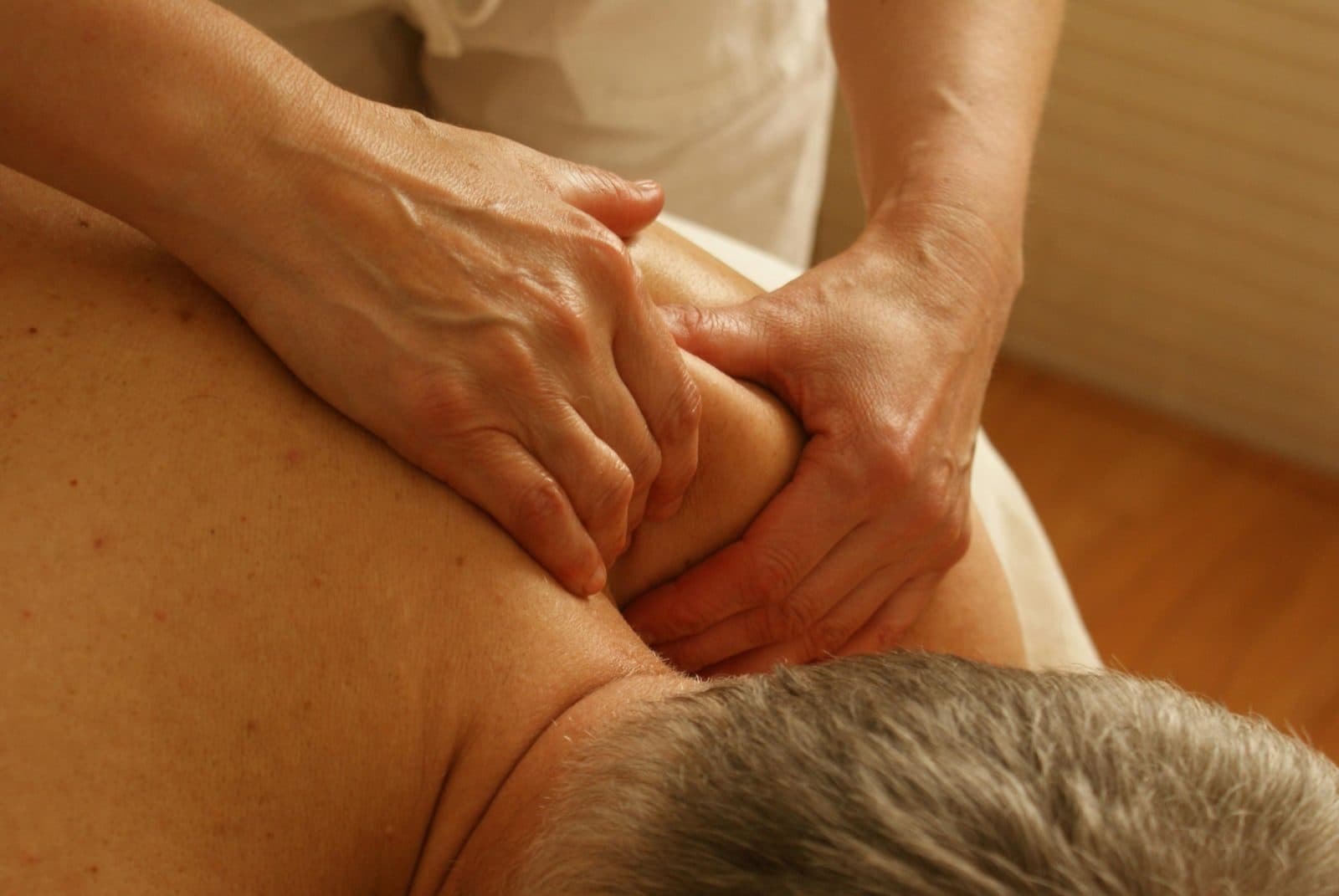
Dry needling is typically used as one tool within a broader physiotherapy plan. It is well suited to muscle tightness, trigger points and the kind of tension that limits movement, and it pairs naturally with hands-on treatment and exercise. The reasoning is anatomical and local: this muscle is tight and irritable, so we treat that muscle directly.
Acupuncture: an ancient, whole-body system
Acupuncture is something quite different in both age and philosophy. It is part of traditional Chinese medicine, a complete system refined over thousands of years, and it views the body as an interconnected whole rather than a collection of separate parts.
Where dry needling targets a specific tight muscle, acupuncture points are chosen according to a much broader framework. Traditionally, this is described in terms of energy flow along channels or meridians throughout the body. Importantly, acupuncture points are not always located where you feel the symptom — a practitioner might needle a point on your hand or leg to influence something seemingly unrelated, because the system considers how the whole body interacts. Modern science continues to explore acupuncture through ideas such as effects on the nervous system, local circulation and the body's natural pain-modulating processes.
Acupuncture is also used more broadly than dry needling. Beyond musculoskeletal pain, people commonly turn to it to support stress, sleep, recovery and a general sense of balance. It tends to be a more whole-person approach, often delivered as a calm, restorative experience — many people find it deeply relaxing and even drift toward sleep with the needles in place.
So which one is right for you?
This is the practical question, and the honest answer is that it depends on you and what you are trying to achieve. Neither is universally "better" — they are simply different tools suited to different situations, and responses vary from person to person.
As a rough guide:
If you have a specific, tight, irritable muscle or trigger point limiting your movement, dry needling within a physiotherapy plan is often a natural fit.
If you are seeking a broader, whole-body approach — perhaps for pain alongside stress, sleep or general wellbeing — acupuncture may suit you better.
For many people, the most useful answer is a thoughtful combination, chosen for the right situation rather than out of loyalty to one tradition.
Neither is a cure-all, and a good practitioner will be upfront about that. The aim is to match the approach to the person, not to sell you on one technique.
The PhysMed advantage: both, under one roof
Here is where our clinic is genuinely unusual. Because David Boyd is a registered physiotherapist and a registered Chinese medicine practitioner and acupuncturist, we are not limited to one tradition. We can draw on dry needling as part of a physiotherapy plan, or on acupuncture and broader Chinese medicine as a whole-person approach — and we can combine them sensibly when that serves your goals.
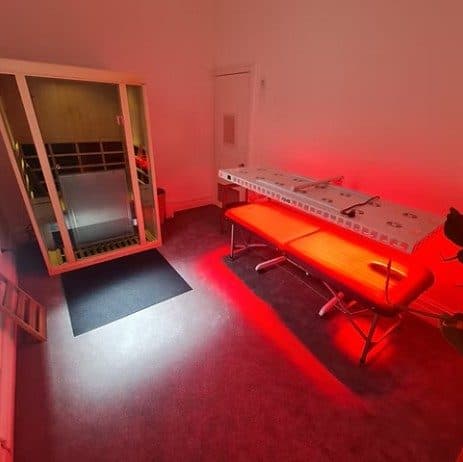
This reflects the heart of what we do: bringing ancient knowledge together with modern science, rather than asking you to pick a camp. For one client, that might mean dry needling to release a stubborn muscle as part of rehab. For another, it might mean acupuncture to ease symptoms and calm the nervous system while a structured plan rebuilds capacity, supported by the tools at our recovery centre. Each element complements the others.
The deeper aim runs through everything at PhysMed: drug-free options that help you take your health into your own hands and rely less on medication where appropriate.
If you are curious about whether dry needling, acupuncture or a combination might suit you, the easiest first step is a conversation. We will talk through your symptoms and goals and recommend the approach that genuinely fits — not just the one we happen to offer. To get started, book an appointment or call us on 0466 337 497.