"Biohacking" can sound intimidating, futuristic or frankly a little gimmicky. Strip away the hype and the marketing, though, and it means something quite sensible: using simple tools and habits to help your body work better. You do not need wearables, supplements by the dozen or an expensive home lab to do it well. In fact, the most effective recovery "biohacks" are unglamorous, affordable and available to everyone. This is a no-hype starter guide to recovery in Adelaide, written the way we talk about it with members at Club PhysMed in Unley.
First, a reality check
The recovery world is full of products promising dramatic results. The honest truth is that no single tool will transform your health on its own, and anything claiming to is worth treating with caution. The real value of recovery practices comes from how they support a foundation that is already solid. Get the foundation right and the extras genuinely compound; skip the foundation and the gadgets are mostly window dressing. With that in mind, build from the ground up.
Start with the fundamentals
No device or trend beats the basics, and the basics are the same ones humans have always needed:
- Sleep — comfortably the single most powerful recovery tool there is. Consistent, sufficient, good-quality sleep does more for repair, mood, performance and resilience than any piece of equipment.
- Movement — regular, varied and enjoyable. A body that moves often, in different ways, tends to feel and function better than one that does occasional intense bursts and then sits still.
- Nutrition and hydration — enough quality food to fuel and rebuild, and enough water to function well.
- Stress and connection — managing day-to-day stress and spending time with people you care about are genuine recovery inputs, not soft extras.
Get these reasonably right and everything else you layer on works far better. Neglect them and even the best tools will struggle to help.
Tools worth your time
Once the fundamentals are in place, a handful of recovery tools genuinely earn their spot. The common thread is that they apply a small, controlled stress or a calming input that nudges your body toward adaptation and recovery:
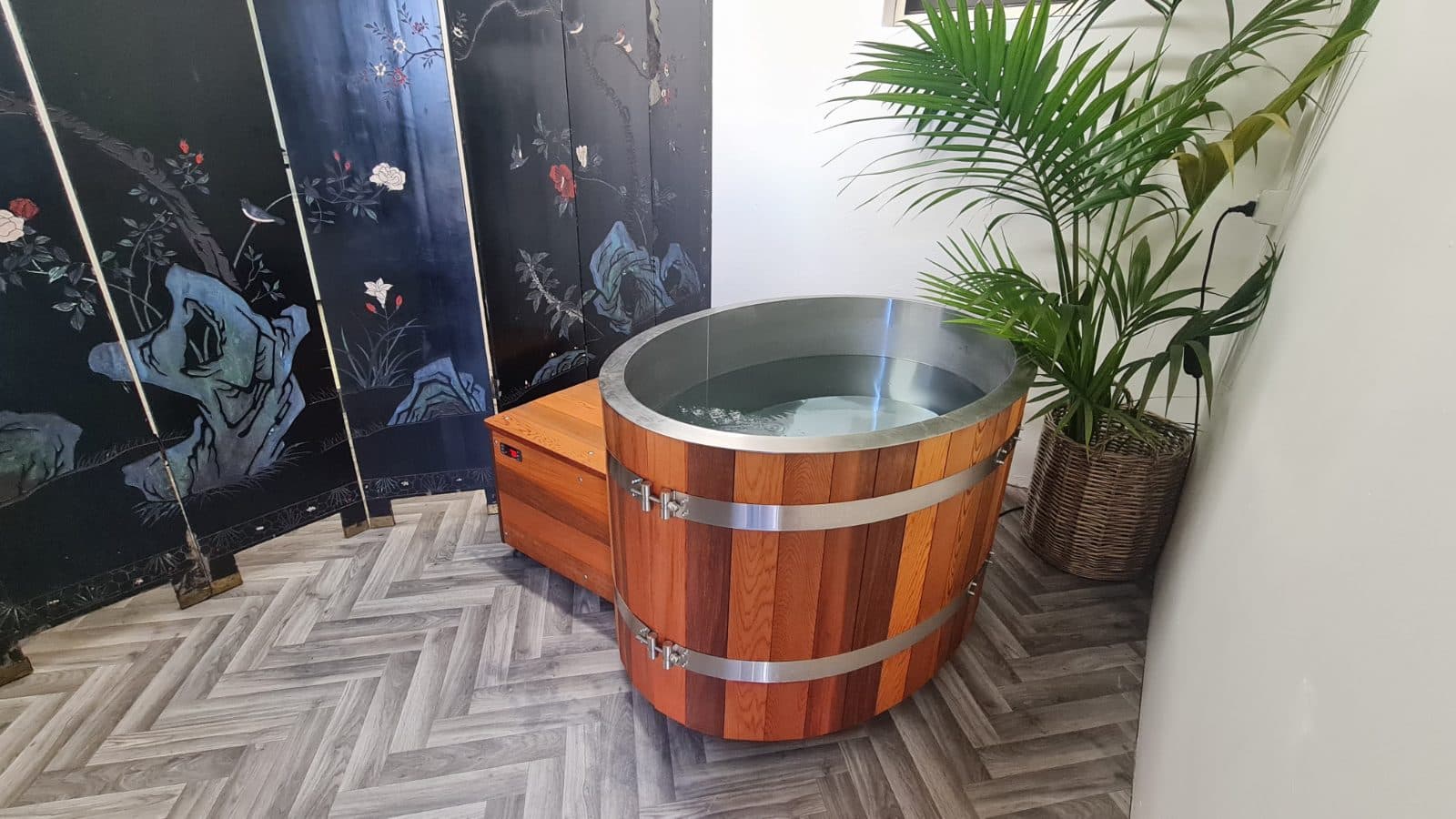
- Cold exposure, such as an ice bath, for building resilience, a sense of alertness afterwards and support with post-training soreness
- Heat, such as an infrared sauna, to relax muscles and help your nervous system downshift after a demanding day
- Contrast therapy, which alternates the two and is a time-tested recovery ritual many people find more refreshing than either alone
- Red light therapy, which uses red and near-infrared light to support cellular recovery as part of a wind-down routine
- Breathwork and stillness, which cost nothing and are among the most direct ways to shift toward a calmer, recover-and-rebuild state
The point is not to do all of them every day, nor to chase intensity. It is to choose a few that suit you and use them well.
What about wearables, supplements and trackers?
A quick word on the gadget end of biohacking, since it is where a lot of money and attention goes. Wearables that track sleep, heart rate and activity can be genuinely useful, mostly because they make invisible patterns visible. If a tracker nudges you to get to bed earlier or shows you how poorly you recover after late nights, it has earned its keep. The risk is the opposite: becoming anxious about your numbers, or chasing a perfect score at the expense of actually living well. Treat the data as a gentle guide, not a verdict.
Supplements deserve similar caution. A small number can be worthwhile for specific, identified needs, but they are no substitute for the fundamentals, and the supplement industry is very good at marketing. The sensible approach is to be skeptical of anything promising dramatic transformation, to prioritise food and sleep first, and to seek qualified guidance rather than following whoever is loudest online. None of this is as exciting as a new gadget, but it is what actually works.
Make it a routine, not a one-off
Here is the part most people miss. The magic is not in any single dramatic session — it is in consistency. A modest recovery routine done regularly will outperform an occasional extreme experiment every time. Recovery is a habit you build, much like training or sleep, and habits need easy, repeatable access rather than willpower-heavy effort.
This is exactly why Club PhysMed offers membership. Regular, convenient access is what turns recovery from an occasional treat into a genuine part of your week. Members can build a rhythm — a regular contrast session, time under red light, a few minutes of guided breathwork — without it becoming a logistical project each time.
A useful way to think about it is to design your recovery week the way you would design a training week. Decide roughly how many recovery touchpoints you want, anchor them to days and times that already work for you, and keep the bar for showing up low. When access is easy and the routine is already mapped out, you stop relying on motivation and start relying on habit — and habit is what produces results over months and years. The members who get the most from recovery are rarely the ones doing the most extreme sessions; they are the ones who simply keep turning up.
How PhysMed keeps it sensible
What sets our approach apart is that recovery here is physio-overseen and grounded in evidence rather than driven by trends. Our point of difference is bringing ancient knowledge together with modern science, and that balance keeps the hype in check. The signature Rejuvenation Room combines red and near-infrared light, far infrared sauna, tendon loading, breathwork and optional cold immersion in one guided experience, so the tools work together rather than competing. Because physiotherapists are involved, your recovery routine is shaped around your goals and any rehabilitation you are working through, and you can be confident it is helping rather than just feeling impressive.
The deeper aim runs through everything we do at PhysMed: help you take your health into your own hands, lean less on medication where appropriate, and genuinely thrive rather than simply get through the week.
If you would like a recovery routine that is simple, consistent and actually suited to you, we can help you build one. Book an appointment or call us on 0466 337 497, and we will get you started.